
CHARLES LOLOMA
Charles Sequevya Loloma (1921-1991) was a Hopi Native American artist known for his jewelry. Works by Charles Loloma are available through Trotta-Bono Contemporary, a by-appointment gallery specializing in contemporary Native American art in Santa Monica, California.
— SELECTED WORK —
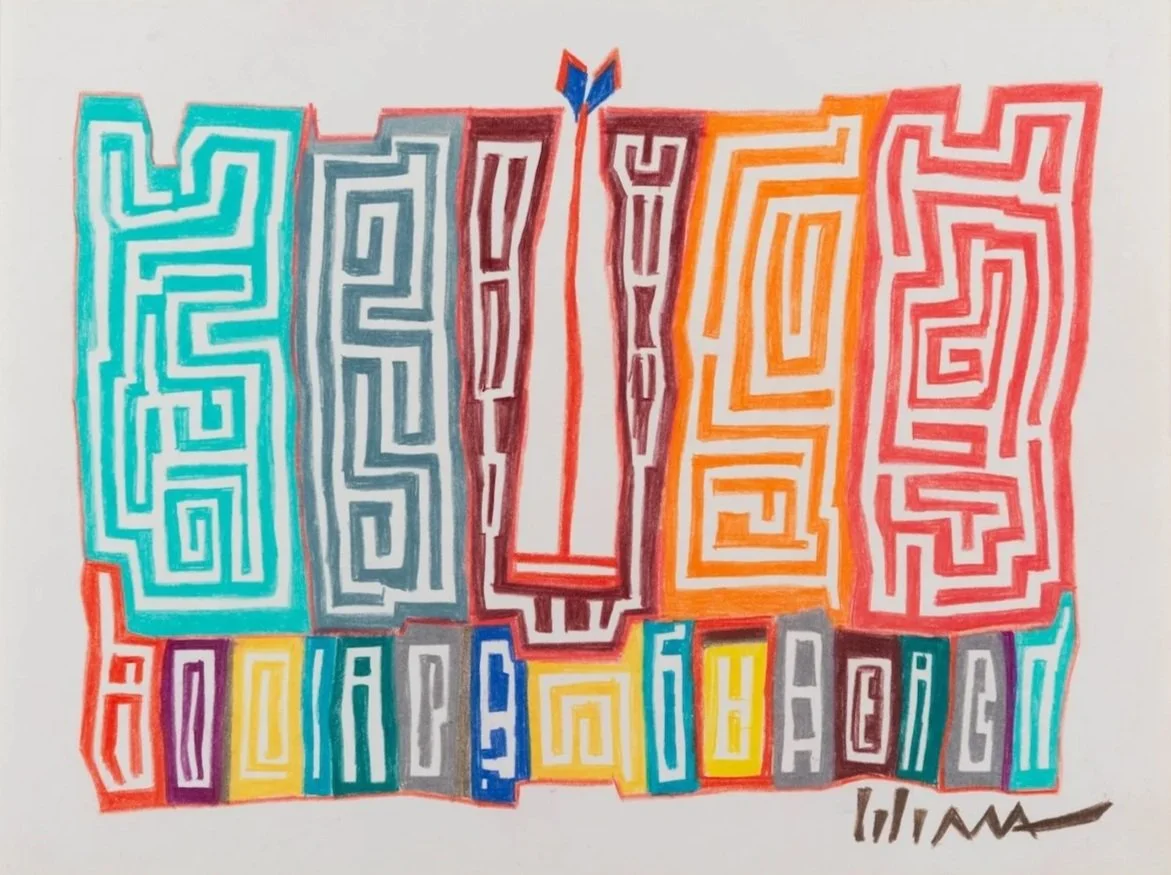
Untitled
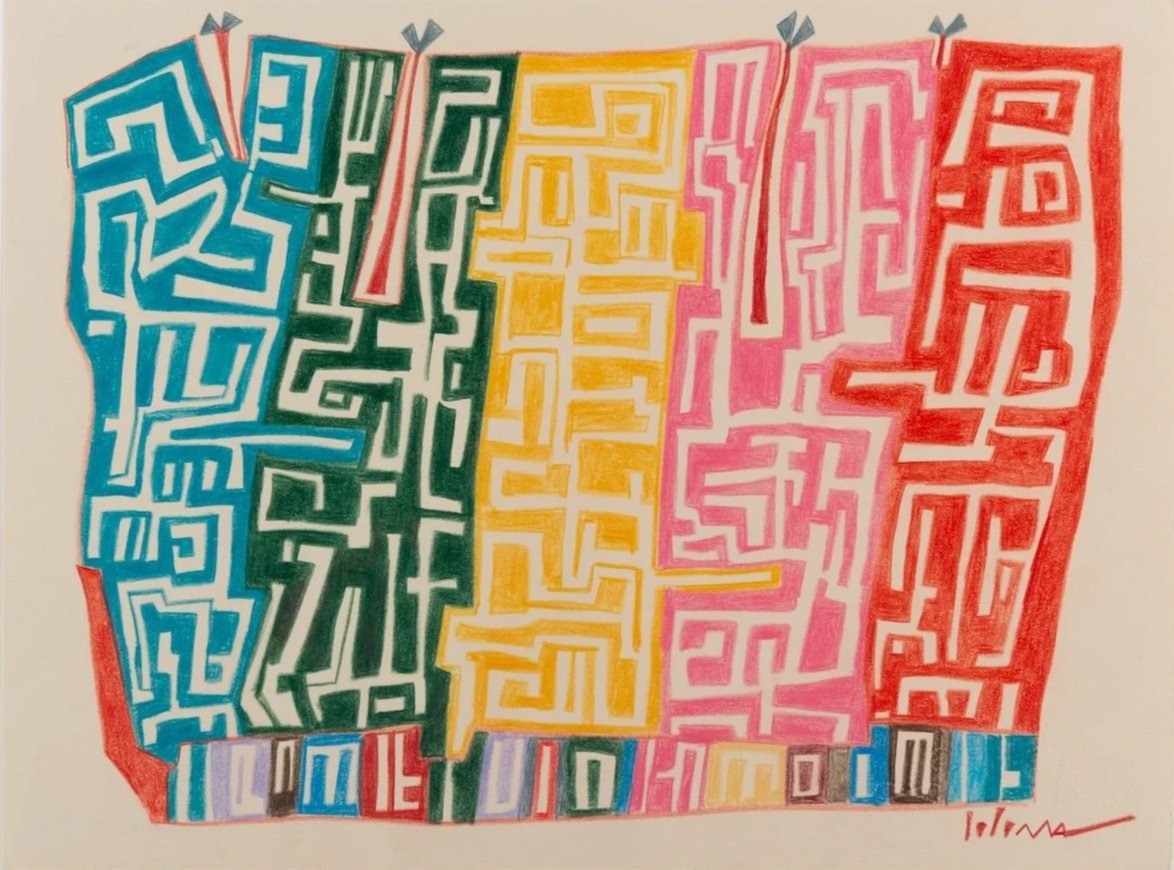
Untitled
– CHARLES LOLOMA –
Hopi, 1921-1991
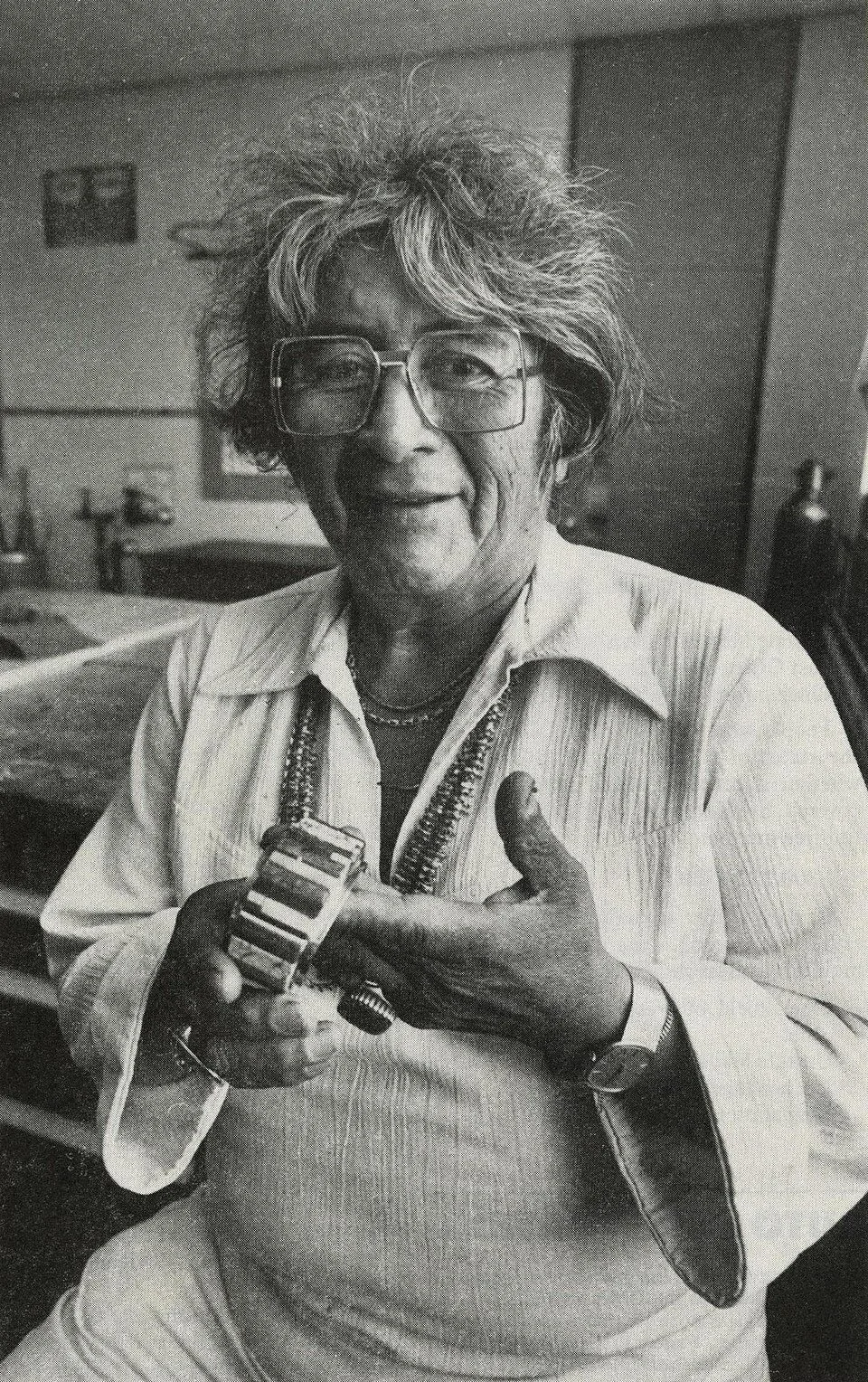
Charles Loloma is considered one of the most renowned and influential Native American artists of the 20th century. The Hopi artist, jeweler, painter, illustrator, and ceramicist was, and remains, celebrated for blending traditional Hopi motifs with contemporary design and technique. Born in Hotevilla on Third Mesa, Arizona, Loloma grew up immersed in Hopi culture, where the forms, painted surfaces, and symbolism of Hopi ceramics and ceremonial traditions profoundly shaped his artistic vision. Before revolutionizing Native American jewelry, Loloma studied painting in New York and worked as a painter, illustrator, and graphic designer, experiences that informed his innovative use of color, composition, and materials throughout his career. In 1962, he became one of the founding instructors of the Institute of American Indian Arts (IAIA) in Santa Fe, where he helped shape a groundbreaking curriculum that encouraged Native artists to engage with contemporary art while remaining rooted in their own cultural traditions.
Loloma's vision liberated him from the conventional designs of Southwestern Native American jewelry, which had primarily focused on silver and turquoise. Instead, he introduced new materials, techniques, and a broader color palette. He incorporated gold, lapis lazuli, malachite, ironwood, coral, and other exotic materials rarely seen in Native American jewelry, while pioneering intricate stone inlay that evoked the colors of the desert landscape and the cultural symbolism of the Hopi people. His background in painting and design is evident in the bold compositions and sculptural qualities that distinguish his jewelry from that of his contemporaries.
Often referred to as "The Godfather" of contemporary Native American jewelry, Charles Loloma transformed perceptions of Native jewelry from a regional craft tradition into a form of contemporary fine art. His groundbreaking innovations established the direction of Native American jewelry throughout the late 20th and early 21st centuries, and he is widely regarded as one of the most influential Indigenous artists of his generation.
Charles Loloma's work is represented in the permanent collections of many of the nation's leading museums, including the Smithsonian Institution, the Metropolitan Museum of Art, the Museum of Fine Arts, Boston, the Museum of Arts and Design, the Heard Museum, and numerous other public and private collections. His work remains a benchmark for innovation in Native American art and continues to influence generations of Indigenous jewelers and artists.